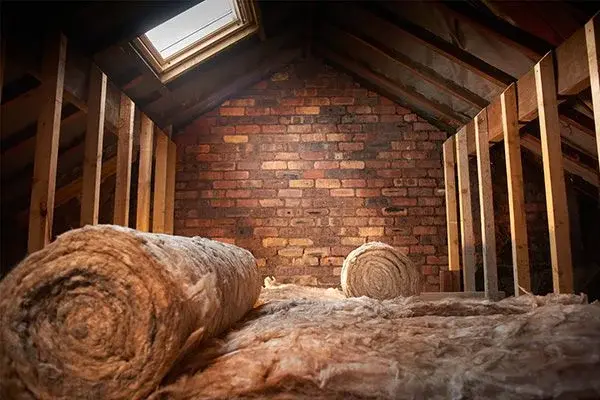
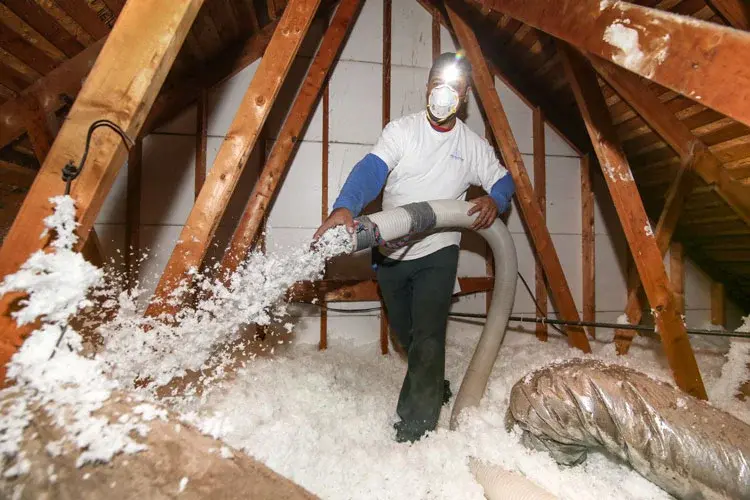
Blow-In Insulation Services
Loose-fill fiberglass and cellulose blown into attics, wall cavities and hard-to-reach spaces without tearing out finishes.
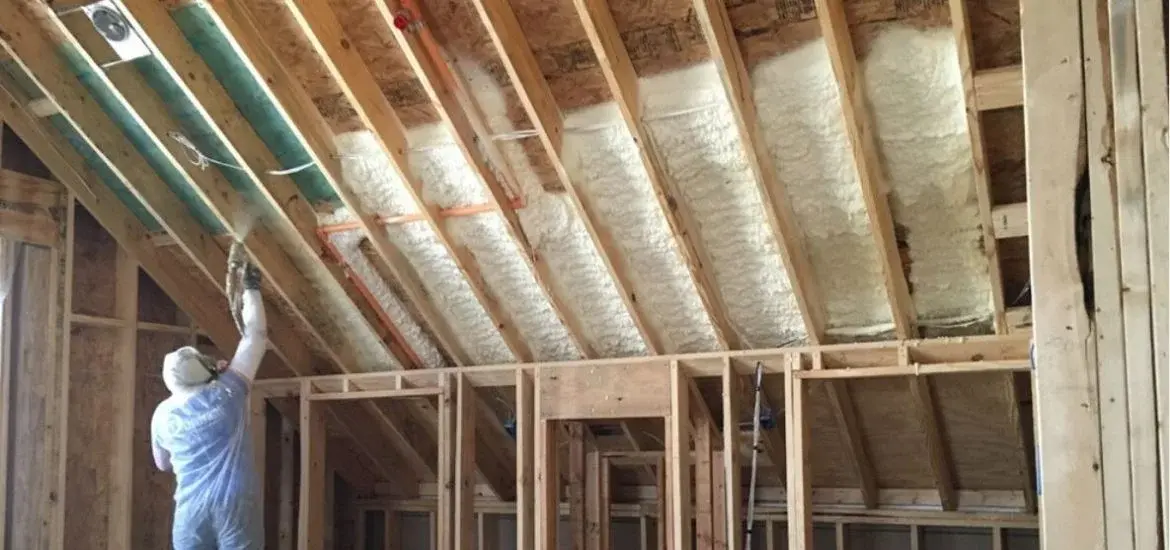
Open and closed cell spray foam for walls, roof decks, attics and cavity fill across Midland and Odessa.
Spray foam is what we install most often, and for good reason. Since the introduction of fiberglass, it has been the most significant advancement in the insulation industry. It helps build more energy-efficient and comfortable homes while lowering heating and cooling costs. Spray foam fills gaps in walls, making it extremely effective at reducing air leakage. Our skilled professionals ensure the foam is installed to the highest standards.
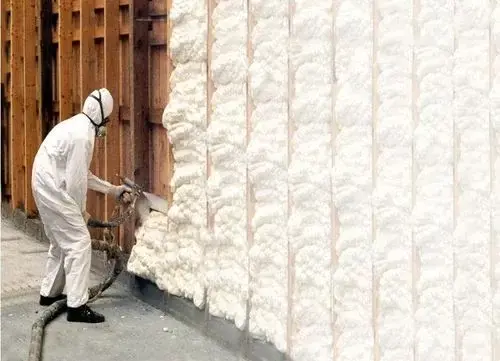
Because its long-term benefits outweigh the initial installation cost, spray foam outperforms other types of insulation by a wide margin. Unlike fiberglass insulation, which flattens with time, spray foam stays in place and remains cost-effective. It is also superior in terms of sealing and is environmentally beneficial.
Spray insulation consists of polyurethane foam and is available in open cell and closed cell densities. Both designs provide great insulation and air sealing, as well as moisture, noise and pest protection. The benefits include cost savings, improved health, increased building efficiency and a cleaner environment.
We fit insulating barriers to every kind of building, from small residential retrofits to large commercial jobs. That means knowing the insulation types, the installation procedures and what belongs where — including the differences between open and closed cell foam and where each one earns its cost.
We can also provide concrete restoration in the form of concrete lifting, applying the same spray foam knowledge to a different use. If you are weighing up spray foam for your building, send us the details and we will come back with a quote for Midland or Odessa.
FAQ
Open cell is lighter and more flexible, expands further, and is the usual choice for interior walls and sound control. Closed cell is denser, adds structural rigidity, resists moisture and delivers more insulating value per inch, which is why it is common on roof decks and exterior applications. Both air-seal as they cure.
Its long-term benefits outweigh the higher installation cost. Unlike fiberglass batts, which settle and flatten over time, spray foam stays in place and keeps performing. It also seals air leakage that fiberglass alone cannot, which is a large part of what makes a West Texas building expensive to cool.
Yes. It is routinely used for attic fill, cavity fill, roof decks and rim joists in existing buildings, as well as in new construction. We assess access before quoting so there are no surprises once work starts.
It does. Both open and closed cell foam provide air sealing along with insulation, which brings moisture control, noise reduction and pest resistance with it.
Properly installed spray foam is designed to last the life of the building. It does not sag, settle or need topping up the way loose-fill materials eventually do.
What We Install
Loose-fill fiberglass and cellulose blown into attics, wall cavities and hard-to-reach spaces without tearing out finishes.
Attic top-ups and full replacements that hold temperature through a Permian Basin summer and cut noise year round.
Send us the details of your space and we will come back with a free quote.